Desert Driving Emergency Kit: What to Carry for Extreme Heat
By The Standard Carry Co Field Team · Last updated June 2026
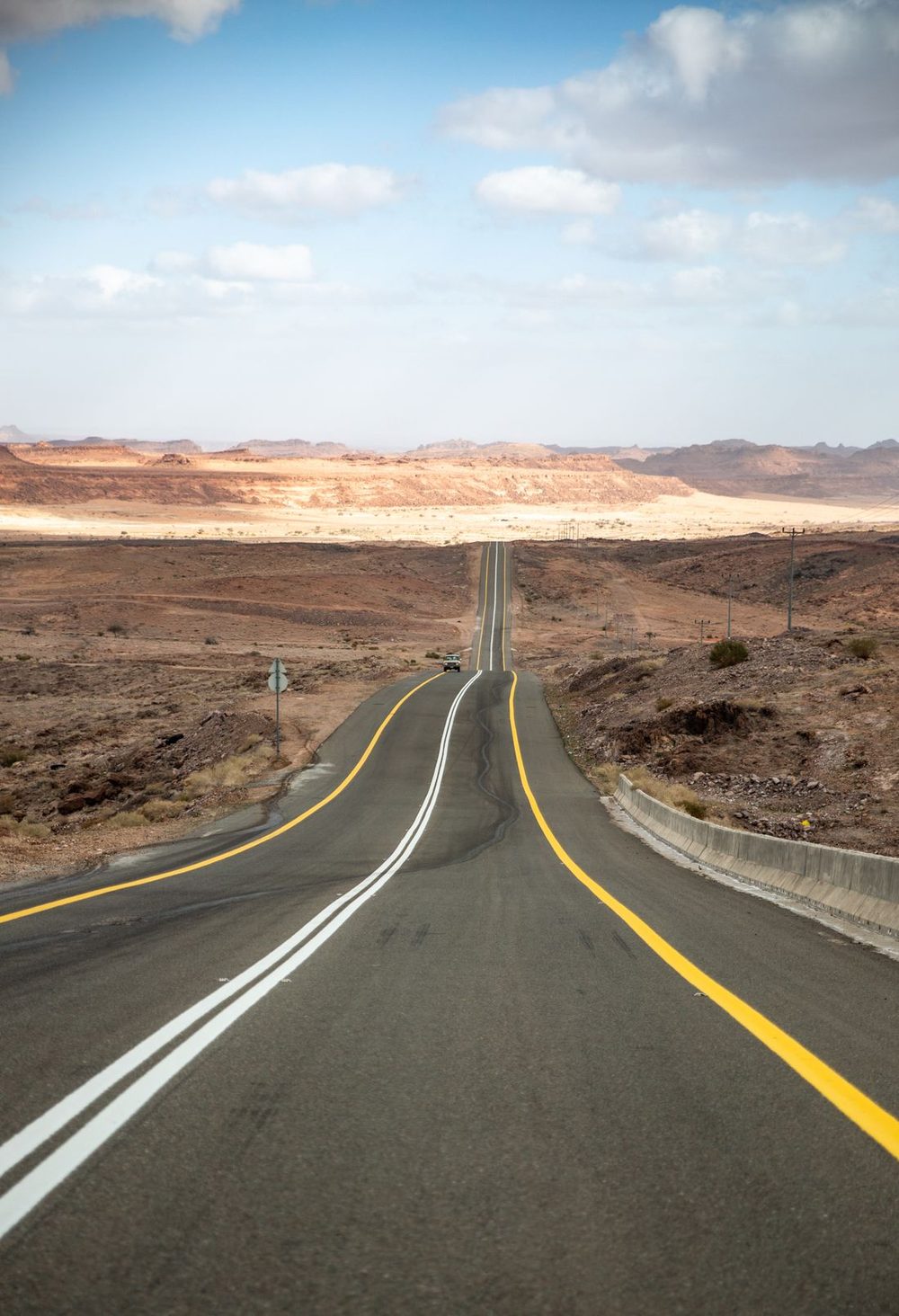
Desert driving turns an ordinary breakdown into a heat problem. The roads across the Intermountain West, the long empty stretches of Utah, Nevada, Arizona, western Colorado, and eastern Oregon and Idaho, put miles between towns, leave no natural shade, and run hot enough that a stopped car becomes the most important survival tool you have. A desert kit is a summer car kit with more water, real shade, and a plan to stay put. Here is what to carry and why.
What makes desert driving different
Three things: distance, exposure, and surface heat. Help is farther away, there is no shade to walk to, and a parked car climbs 40 degrees or more above the outside air. So the desert kit leans into water, shade, and signaling, and it assumes you may wait a while. Extreme heat is among the deadliest weather hazards in the country (CDC), and the desert is where a roadside wait gets dangerous fastest.
Start from the base kit, then add for the desert
A desert kit is the standard two-part summer car kit with a few things dialed up for distance and exposure. For the full base list and the cabin-vs-trunk split, see what belongs in a summer car emergency kit. Then, for remote desert routes, add:
- More water than a normal kit (see the distance math below), rated to survive a hot trunk.
- A tire plug kit and inflator. A flat is the most common desert breakdown you can fix yourself, and desert shoulders are hard, hot, and far from a tow.
- Real roadside shade you can rig, since there is none to walk to. A reflective tarp plus the vehicle is your shelter.
- A charged power bank in the cabin (never the hot trunk, see why). On an empty highway a dead phone is the actual emergency.
How much water: size it to the wait, not the trip
The decision that separates a desert kit from a normal one is water quantity. Ready.gov recommends at least a gallon per person per day and notes the need can roughly double in heat. On a remote leg, size it to a worst-case wait: if help could be two or three hours out, carry enough that a hot wait for everyone in the car is uncomfortable, not dangerous. On a long empty stretch, when in doubt, carry more. This one call matters more than any single piece of gear.
The desert rule: stay with the vehicle
The single most important desert-breakdown rule is to stay with your car. It is far easier for help to spot than a person walking, and it gives you shade and shelter. Get off the road, hazards on, signal, call for help, ration water, and rig shade. Do not strike out on foot across open desert in the heat unless help is in sight and clearly reachable. Step-by-step: stranded in a hot car, what to do and how to rig shade roadside.
Plan the route before you go
Note fuel and water stops on remote legs, keep the tank fuller than usual in empty country, tell someone your route and timing, and check tires and coolant before a long desert run. For the full vehicle prep, see how to prepare your car for a heat wave.
Build it yourself, or reserve ours
You can assemble a desert kit from the list above with extra attention to water and shade. We are also building a heat-ready kit organized into the two-part cabin split; it is in pre-launch, so for now you can reserve it rather than buy it.
FAQ
What should be in a desert driving emergency kit?
Extra shelf-stable water beyond a normal kit, a reflective windshield shade and an emergency shade tarp, high-visibility signaling, a window breaker and seatbelt cutter, heat-tolerant first aid, a tire plug kit and inflator, and a cabin pouch with a power bank, sunscreen, and electrolytes. Desert routes add long gaps between towns and no shade, so you carry more water and plan for a longer wait.
How much water should I carry for desert driving?
More than a standard kit. Ready.gov recommends at least 1 gallon per person per day and notes the need can roughly double in heat, so for remote desert legs carry enough that a multi-hour wait for help is uncomfortable, not dangerous, using water rated to survive a hot trunk.
What do I do if I break down in the desert in extreme heat?
Stay with your vehicle. It is easier to spot than a person on foot and gives you shade. Get fully off the road, turn on hazards, signal, call for help, ration water, and rig shade with a reflective tarp. Do not set out walking across open desert in the heat unless you can see help and it is close.
Where should I keep heat-sensitive items on a desert drive?
In the cabin, not the trunk. Power banks, sunscreen, electrolytes, and medications degrade or become unsafe in a baking trunk, and on a desert drive a working phone and power bank can matter more than anything else in the kit.
Sources
Related: summer road trip checklist, what belongs in a summer car kit, and the free Heat-Wave Prep Checklist.
Be ready before the next heat wave
We are building the Vehicle Heat Readiness Kit around exactly this problem: the right heat-stable gear for your vehicle, plus a small pouch for the heat-sensitive pieces, vetted and in one case.
See the kit & reserveGet the free Heat-Wave Prep Checklist
A one-page, print-and-go checklist for your vehicle, your pack, and your home. Built from CDC, NWS, and Ready.gov guidance.
No spam. Unsubscribe anytime. We will only email you about heat prep and the kit.